

Practical Plant-Safety Checklist
Hydraulic systems contain significant stored energy. A damaged hose, uncontrolled pressure release or unexpected machine movement can cause serious injury. Use this checklist alongside the manufacturer’s instructions, site risk assessment and safe system of work.
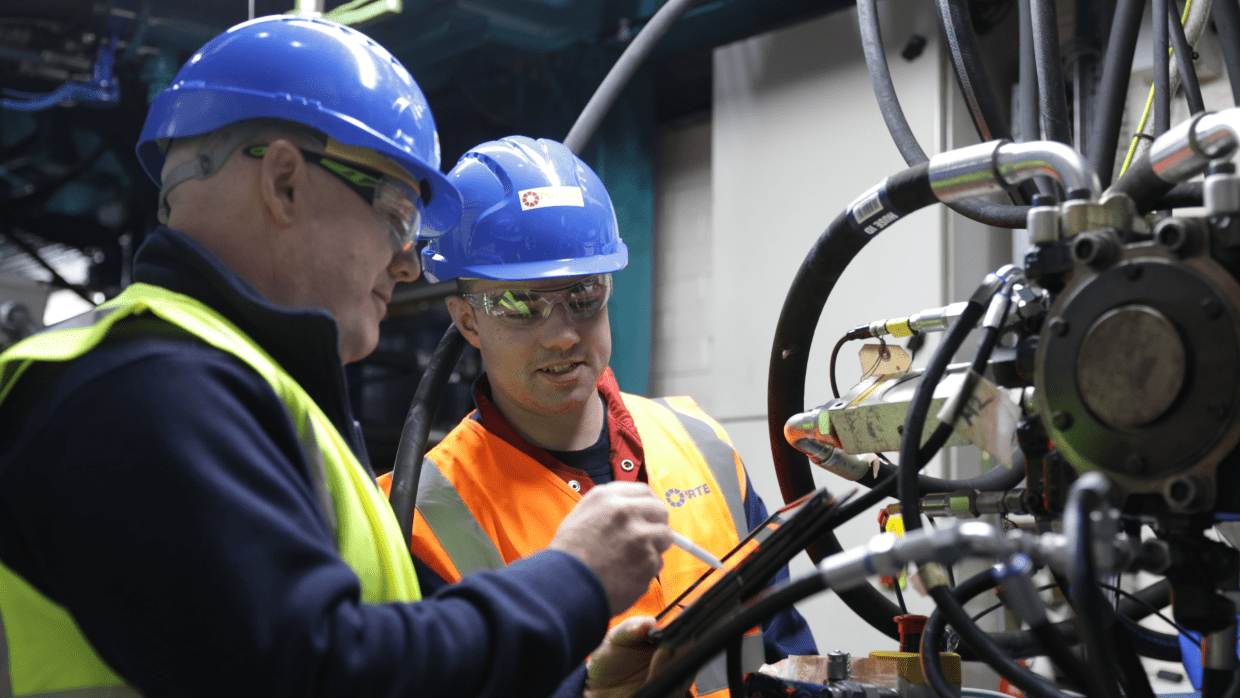
1. Check hose condition
Before operating the equipment, inspect the complete hose assembly and its connections.
☐ Look for leaks, punctures, splits, tears or exposed reinforcement
☐ Check for abrasion, blistering, swelling, flattening or local deformation
☐ Identify hard, brittle, heat-damaged, cracked or sticky sections
☐ Inspect fittings for corrosion, damage, movement or leakage
☐ Check that hoses are not twisted, kinked or bent beyond their permitted radius
☐ Confirm hoses are correctly routed, supported and protected from sharp edges, moving components and heat
☐ Remove damaged or suspect hoses from service immediately
☐ Never reuse or re-end a previously used hose assembly
Never search for a pressurised leak with your hand. A pinhole leak can inject hydraulic fluid through the skin. Use an appropriate leak-detection method and maintain a safe distance. Any suspected fluid-injection injury requires immediate emergency medical treatment.
2. Control stored hydraulic energy
Before maintenance begins:
☐ Stop the machine and lower attachments safely to the ground wherever possible
☐ Select neutral, apply the parking brake and chock the wheels
☐ Identify every energy source—including electrical, hydraulic, pneumatic, mechanical and gravitational energy
☐ Consider accumulators, raised components and pressure trapped between valves
☐ Release hydraulic pressure in accordance with the manufacturer’s procedure
☐ Mechanically support any component that could fall or move
☐ Never work beneath equipment supported only by its hydraulic system
3. Isolate the equipment safely
☐ Shut down and isolate the machine from all energy sources
☐ Lock off the isolator and attach the appropriate warning tag
☐ Lock or secure relevant isolation valves
☐ Prevent the machine from being restarted by another person
☐ Verify that the isolation is effective before work begins
☐ Use a permit-to-work system where the task, equipment or site requires one
☐ Keep control of isolation keys until the work is complete
Isolation must include the dissipation of stored hydraulic or pneumatic energy—not simply switching off the engine.
4. Establish an exclusion zone
☐ Create a clearly marked work area using suitable barriers and signage
☐ Keep operators, contractors and other personnel outside the danger zone
☐ Consider the possible direction of fluid release, hose movement or falling components
☐ Position technicians away from suspended loads and potential lines of fire
☐ Agree clear communication between the operator, site contact and maintenance technician
☐ Do not return the equipment to service until all tools, supports and personnel are clear
5. Use competent maintenance personnel
☐ Ensure maintenance is completed by someone with the necessary training, knowledge and experience
☐ Use the correct hose, fittings and components for the pressure, temperature, fluid and application
☐ Follow the equipment and component manufacturers’ specifications
☐ Keep components and connection surfaces clean to prevent contamination
☐ Investigate repeat hose failures rather than repeatedly replacing the same assembly
☐ Record the inspection, identified defects, work completed and replacement components
☐ Refit all guards and safety devices before restarting the equipment
☐ Re-pressurise carefully and check the repair from a safe position
HSE guidance states that planned maintenance improves equipment reliability, reduces breakdowns and limits the need for dangerous contact with faulty machinery. Maintenance should only be undertaken by competent personnel.
Move from reactive repairs to planned hose management
A planned hose-inspection programme or Pirtek Total Hose Management service can help businesses:
☐ Build a register of hydraulic hoses and safety-critical assemblies
☐ Identify and label hoses for easier inspection and traceability
☐ Record hose condition, age, application and replacement history
☐ Schedule inspections according to equipment use and operating conditions
☐ Replace deteriorating assemblies during planned downtime
☐ Identify recurring problems with routing, abrasion, heat or contamination
☐ Reduce unexpected failures, downtime and associated safety risks
☐ Demonstrate a structured approach to hydraulic-hose maintenance
Do not wait for a hose to fail. Speak to your local Pirtek centre about planned hose inspections or Total Hose Management and take a proactive approach to safety, compliance and equipment uptime.








Select a country