

Hydraulic hoses are essential components in countless industrial, construction, agricultural and manufacturing operations. Over time, however, even high-quality hydraulic hoses will wear down due to pressure, heat, vibration and environmental exposure and need replacing.
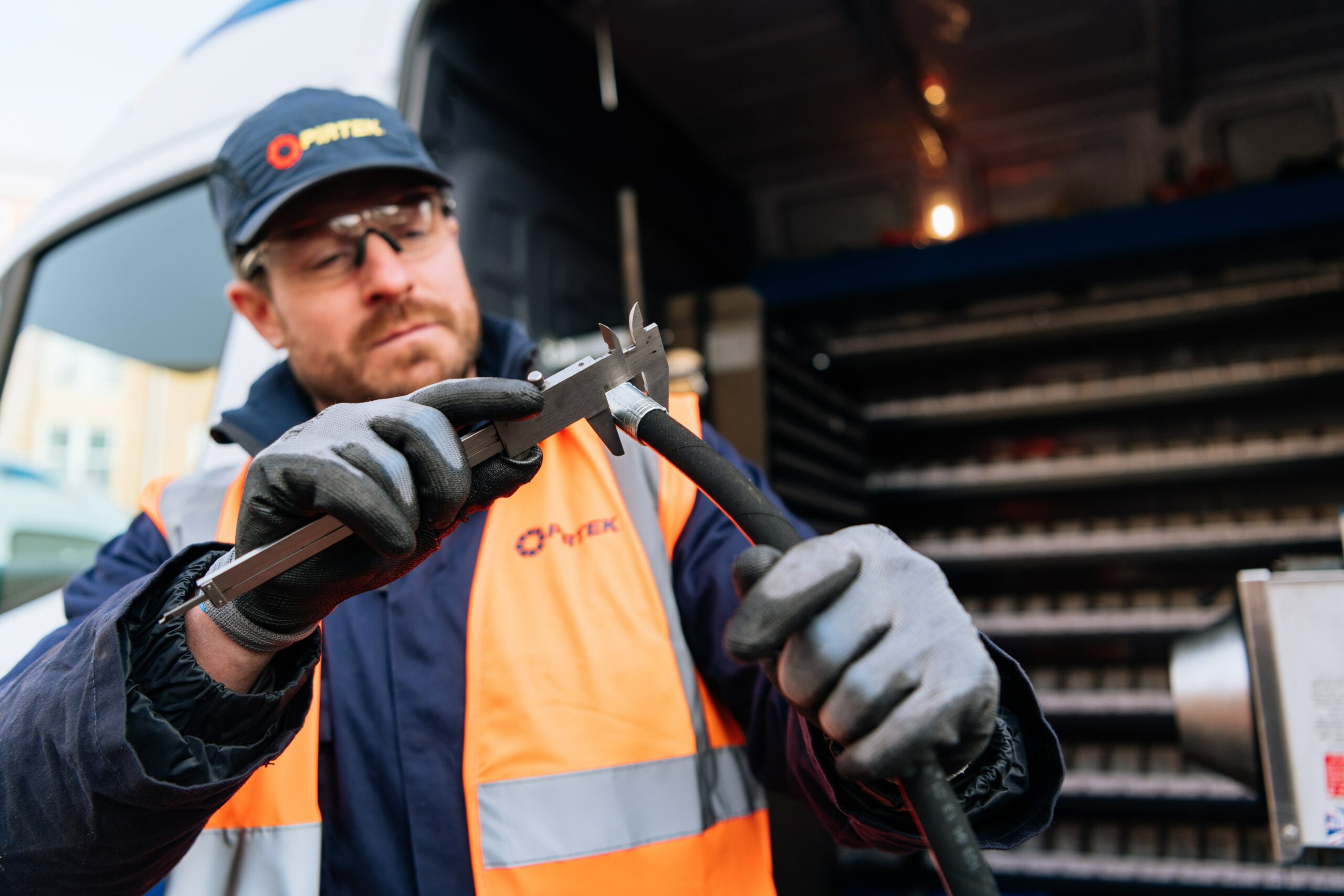
Recognising the warning signs of hydraulic hose failure early can help prevent costly downtime, equipment damage and serious safety risks.
In this article, we explore the most common signs that your hydraulic hose may need replacing and why proactive maintenance is critical for keeping machinery operating safely and efficiently.
Why Hydraulic Hose Condition Matters
Hydraulic systems operate under extremely high pressure. A damaged or worn hose can fail suddenly, potentially causing:
- Equipment downtime
- Hydraulic fluid leaks
- Reduced machine performance
- Environmental contamination
- Safety hazards for operators and nearby personnel
Replacing worn hydraulic hoses before failure occurs can significantly reduce operational disruption and repair costs.
1. Visible Cracks on the Hose Cover
Cracking on the outer hose cover is one of the clearest signs that a hydraulic hose is deteriorating.
Cracks are often caused by:
- Ageing
- Heat exposure
- UV damage
- Chemical exposure
- Excessive flexing
As the rubber begins to break down, the hose becomes weaker and more vulnerable to leaks or bursts.
What to look for:
- Surface cracking
- Dry or brittle rubber
- Splitting around bends
- Fine cracks near fittings
If cracking is visible, the hose should be inspected and replaced as soon as possible.
2. Hydraulic Fluid Leaks
Any hydraulic fluid leak should be taken seriously.
Leaks can occur due to:
- Worn hose material
- Damaged fittings
- Loose couplings
- Internal hose deterioration
- Pressure damage
Even small leaks may indicate a larger issue developing within the hydraulic system.
Common signs of leaks:
- Oil around fittings
- Wet hose surfaces
- Dripping hydraulic fluid
- Reduced fluid levels
- Oil spray patterns
Ignoring leaks can lead to larger failures and significant downtime.
3. Abrasion and Worn Outer Covers
Abrasion is one of the most common causes of hydraulic hose failure.
Constant contact with:
- Machinery
- Metal edges
- Other hoses
- Debris
- Vibrating components
can wear through the outer protective layer of the hose.
Warning signs:
- Scuffed hose surfaces
- Exposed reinforcement wire
- Flattened hose sections
- Frayed outer covers
Once reinforcement becomes exposed, the hose is at high risk of failure and should be replaced immediately.
4. Bulging or Swollen Hoses
Bulging hoses often indicate internal structural damage.
This may be caused by:
- Pressure spikes
- Reinforcement failure
- Internal delamination
- Chemical incompatibility
A swollen hydraulic hose is a serious warning sign and may burst unexpectedly if left in service.
Common symptoms:
- Raised sections along the hose
- Uneven hose shape
- Soft or spongy areas
- Visible expansion under pressure
Bulging hoses should be removed from operation immediately.
5. Exposed Reinforcement Wire
Hydraulic hoses contain reinforcement layers designed to withstand high pressure.
If the outer cover has worn away and reinforcement wire is visible, the hose has already suffered significant damage.
Exposed reinforcement increases the risk of:
- Corrosion
- Pressure failure
- Hose bursts
- Sudden downtime
This type of damage usually results from abrasion or poor hose routing and should never be ignored.
6. Kinked or Twisted Hoses
Improper hose routing or installation can cause hoses to kink or twist during operation.
This places stress on the hose structure and restricts hydraulic flow.
Signs include:
- Flattened bends
- Twisted hose lines
- Restricted movement
- Reduced hydraulic performance
Kinked hoses weaken over time and are far more likely to fail under pressure.
7. Corroded or Damaged Fittings
Hydraulic hose assemblies rely on secure fittings and couplings to maintain system integrity.
Over time, fittings may become:
- Corroded
- Cracked
- Loose
- Damaged by vibration
Corroded fittings can cause leaks and weaken the connection between the hose and hydraulic system.
Inspect for:
- Rust or corrosion
- Oil residue around couplings
- Loose fittings
- Damaged threads
Damaged fittings often indicate the need for a full hose assembly replacement.
8. Reduced Hydraulic Performance
Changes in machine performance can sometimes point to hydraulic hose problems.
A deteriorating hose may restrict fluid flow or lose pressure efficiency.
Possible symptoms include:
- Slower machine response
- Reduced lifting power
- Poor hydraulic pressure
- Inconsistent operation
- Increased operating temperatures
Hydraulic hose inspections should be part of any troubleshooting process when performance drops unexpectedly.
9. Excessive Vibration or Movement
Excessive hose movement during operation increases fatigue and wear.
Vibration can weaken reinforcement layers and loosen fittings over time.
Watch for:
- Hoses shaking excessively
- Movement near fittings
- Unsecured hose routing
- Contact with nearby components
Repeated vibration accelerates hose deterioration and shortens service life.
10. The Hose Has Reached the End of Its Service Life
Even if no visible damage is present, hydraulic hoses do not last forever.
Factors affecting hose lifespan include:
- Operating pressure
- Temperature
- Environmental conditions
- Frequency of use
- Maintenance quality
Older hoses become less flexible and more vulnerable to sudden failure.
Planned replacement schedules help reduce the risk of unexpected breakdowns.
Why Preventative Replacement Is Important
Waiting for a hose to fail completely can lead to:
- Costly downtime
- Equipment damage
- Safety incidents
- Environmental spills
- Emergency repair expenses
Replacing worn hoses before failure occurs helps businesses:
- Improve reliability
- Reduce downtime
- Maintain productivity
- Lower long-term operating costs
Preventative maintenance is often far more cost-effective than emergency repairs.
How Often Should Hydraulic Hoses Be Inspected?
Hydraulic hoses should be inspected regularly as part of a preventative maintenance programme.
Inspection frequency depends on:
- Operating conditions
- Equipment type
- Usage intensity
- Environmental exposure
High-use machinery operating in harsh conditions may require more frequent inspections.
Routine inspections should check for:
- Leaks
- Cracks
- Abrasion
- Bulging
- Fitting damage
- Heat exposure
- Excessive movement
Emergency Hydraulic Hose Replacement and Support
Unexpected hose failures can happen even with regular maintenance. Fast response is essential to minimise downtime and restore operations quickly.
Pirtek provides 24/7 emergency hydraulic hose replacement and mobile on-site hydraulic support across the UK and Ireland. Our mobile service engineers can attend breakdowns on-site to replace damaged hoses and help keep machinery operational.
We support a wide range of industries, including:
- Construction
- Agriculture
- Manufacturing
- Logistics
- Waste management
- Marine
- Rail
- Plant hire
Frequently Asked Questions
What is the most common sign of hydraulic hose failure?
Leaks, cracks and abrasion are among the most common signs that a hydraulic hose may need replacing.
Is it dangerous to use a damaged hydraulic hose?
Yes. Hydraulic systems operate under high pressure, and damaged hoses can fail suddenly and create serious safety risks.
How long do hydraulic hoses last?
Hydraulic hose lifespan depends on operating conditions, maintenance and application. Regular inspections are essential.
Should hydraulic hoses be replaced before they fail?
Yes. Preventative replacement helps reduce downtime, equipment damage and emergency repair costs.
Can hydraulic hoses be replaced on-site?
Many hydraulic hose replacements can be completed on-site using mobile hydraulic service engineers.








Select a country