
The Hidden Dangers of Hydraulic Hose Replacement
Hydraulic and industrial hose assemblies are critical components in countless applications across construction, manufacturing, logistics, waste management, agriculture, and many other sectors. Yet despite their importance, there remains a misconception that replacing a hose is a straightforward maintenance task that can be undertaken by anyone on site.
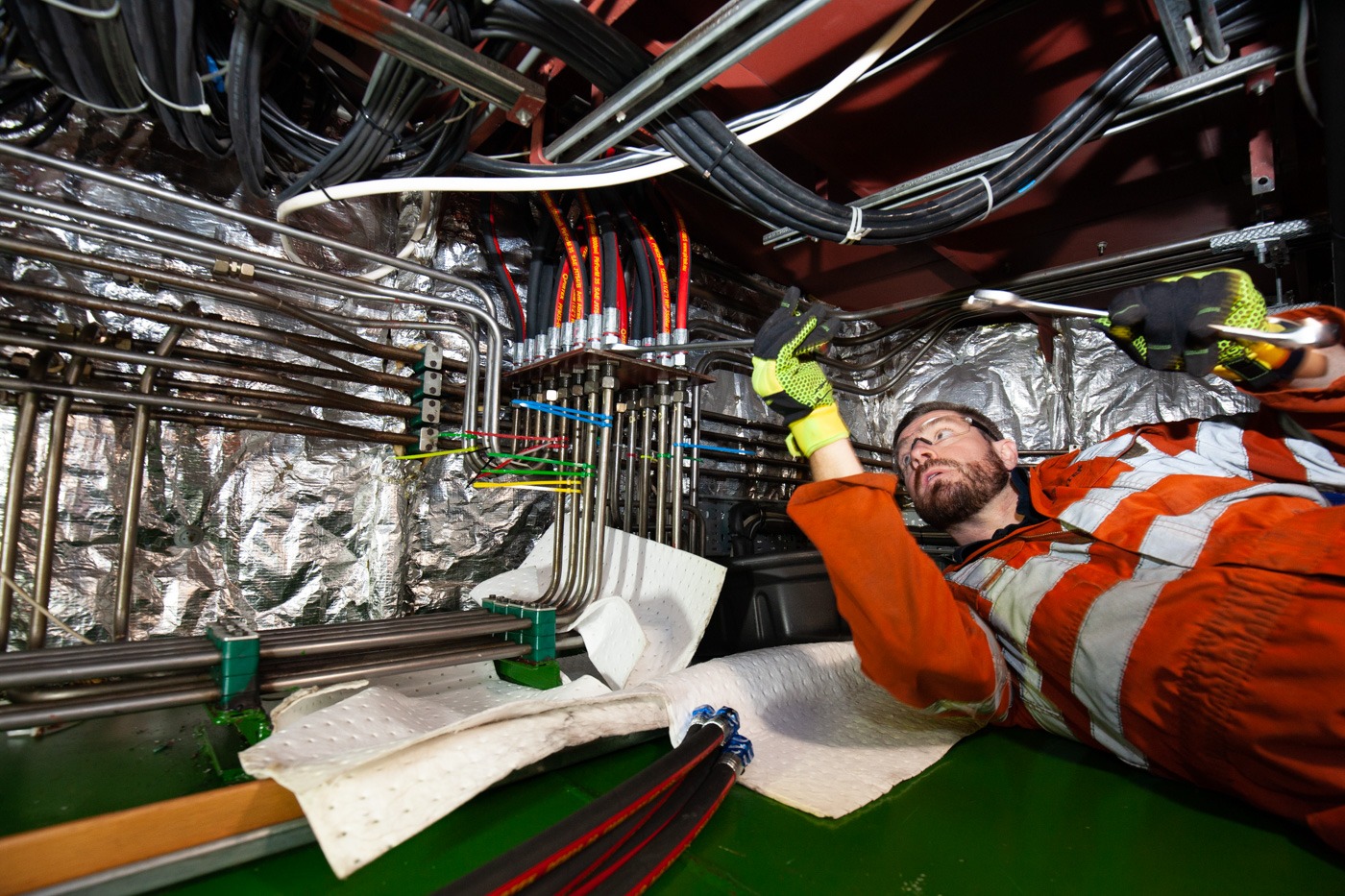
Recent incidents across industry have highlighted the devastating consequences that can occur when hose assemblies are removed, installed, or commissioned by personnel who are not appropriately trained or competent to carry out the work.
At Pirtek, safety is our highest priority. We believe it is important to remind all customers and operators that hose replacement is not simply about changing a component, it is about ensuring the continued safe operation of complex hydraulic systems.
The Risks Are Real
Over recent years, there have been a number of serious incidents within industry involving customers attempting to remove and replace hose assemblies themselves.
These incidents have included:
- Serious injuries sustained during hose removal and replacement activities.
- Fatal incidents occurring while personnel were working on hydraulic equipment.
- Equipment operating unexpectedly due to hoses being connected incorrectly.
- Loss of machine control resulting from hydraulic circuits functioning in reverse.
Hydraulic systems store significant amounts of energy, often operating at extremely high pressures. Even when equipment appears to be isolated, residual pressure can remain trapped within the system. Incorrect job preparation and component removal can lead to sudden releases of energy, unexpected machine movement, fluid injection injuries, crushing hazards, and catastrophic equipment failures.
Why Correct Installation Matters
Replacing a hose is not simply a matter of removing one assembly and fitting another.
A competent technician must consider:
- System pressure and compatibility.
- Correct hose specification and construction.
- Routing and protection requirements.
- Identification of hydraulic circuits.
- Safe isolation procedures.
- Residual pressure management.
- Correct connection of ports and fittings.
- Post-installation testing and commissioning.
A single connection made to the wrong port can fundamentally change how a machine behaves. Controls may operate in reverse, safety functions may be compromised, and operators may be exposed to significant risk.
Competence Protects People
Qualified hose technicians receive training not only in hose assembly and installation, but also in risk assessment, safe isolation procedures, hydraulic system operation, and the identification of potential hazards.
Using trained professionals helps ensure that:
- Work is completed safely.
- The correct replacement hose is fitted.
- Hydraulic circuits remain configured correctly.
- Equipment is tested before being returned to service.
- Risks to operators and maintenance personnel are minimised.
A Shared Responsibility
Employers have a duty to ensure that maintenance activities are carried out safely and by competent persons. Where specialist knowledge is required, it is essential that appropriately trained technicians are engaged.
Attempting to save time by carrying out hose replacement without the necessary expertise can expose employees, contractors, and members of the public to unacceptable levels of risk.
No maintenance task is worth a life.
Our Safety Message
Pirtek urges all customers to treat hydraulic hose replacement as a specialist activity.
If a hose assembly requires replacement:
- Stop the equipment safely.
- Follow site isolation procedures.
- Do not attempt removal unless you are trained and authorised to do so.
- Use competent, qualified technicians to undertake the work.
- Ensure equipment is fully tested before returning it to service.
Every hose replacement is an opportunity to prevent an incident.
By working together and prioritising competence over convenience, we can help ensure that everyone goes home safely at the end of every working day.
Think Safe. Use Qualified Technicians. Protect Lives.








Select a country