

Preventive maintenance is the cornerstone of hydraulic system efficiency and durability. Without a structured plan, small issues such as worn seals, contaminated fluids, or misaligned hoses can rapidly escalate into serious equipment failures. This guide outlines essential weekly, monthly, and seasonal maintenance tasks to help industrial teams extend equipment life, improve performance, and reduce downtime.
Why Preventive Maintenance Matters
Hydraulic systems operate under high pressure and extreme conditions. Minor oversights in inspection or fluid care can compromise the entire system. Maintenance is not just about repairs; it’s about ensuring optimal performance, safety, and cost efficiency over time. Establishing a routine not only preserves critical components but also protects operators and production schedules.
Weekly Inspection Checklist
Weekly checks form the foundation of an effective hydraulic maintenance strategy. These routine inspections help catch early signs of deterioration before they affect system performance or safety. Technicians should follow a consistent schedule to monitor the physical condition and functionality of components.
Visual Checks
- Inspect hoses for visible wear, cracks, or swelling to prevent pressure loss or rupture
- Look for signs of fluid leaks near joints and fittings, which may signal seal failure
- Check for corrosion on metal parts that could weaken structural integrity
Performance Monitoring
- Ensure consistent system pressure and flow to maintain operational output
- Monitor fluid levels and refill if needed to avoid cavitation or overheating
- Listen for abnormal noise or vibration which could indicate internal wear or air entrapment
Immediate Action Steps
- Tighten loose fittings to prevent leakage and ensure stable performance
- Wipe down residue for clear visibility during inspection and to remove contaminants
- Schedule minor repairs to prevent escalation into larger, costlier problems
Monthly Preventive Maintenance Tasks
Monthly preventive tasks provide a deeper layer of system analysis beyond weekly checks. These inspections focus on components most susceptible to wear over time and ensure that all critical parameters remain within safe operating ranges. Regular monthly routines are vital to extending component longevity and improving overall system stability.
Filter Assessment
- Inspect and clean or replace filters as needed to avoid contamination
- Evaluate particle counts in filters to assess component wear trends
System Testing
- Conduct pressure and flow tests to validate system performance
- Compare readings to manufacturer specifications
Component Tightness
- Re-torque all fittings to account for vibration loosening
- Ensure all connections maintain proper alignment

Hydraulic Fluid Management
Fluid condition is a direct indicator of hydraulic system health. Contaminated or degraded hydraulic fluid can cause premature wear and system inefficiency. Monitoring and managing fluid quality is therefore a key pillar of any maintenance strategy.
Regular Fluid Sampling
- Test for contamination, viscosity, and water content to ensure fluid integrity
- Use lab analysis for high-precision results and trend monitoring
- Replace fluids that show signs of degradation to protect pump and actuator performance
Top-Up Best Practices
- Use only manufacturer-recommended fluids for compatibility and performance
- Store in clean, sealed containers to prevent contamination
- Avoid mixing different fluid types as it can compromise fluid chemistry and function
- Read more about what to consider when choosing hydraulic fluid.
Safety Protocols During Maintenance
Working with hydraulic systems involves high pressure and potential exposure to hazardous fluids. Safety protocols must be embedded into every aspect of maintenance to protect personnel and ensure system compliance.
Lockout/Tagout Procedures
- Shut down systems before beginning any service to avoid accidental pressurisation
- Use safety tags to prevent reactivation by other personnel
- Communicate clearly with all team members to confirm equipment is secure
Personal Protective Equipment (PPE)
- Always wear gloves, safety glasses, and suitable footwear to guard against splashes or impact
- Ensure PPE is compatible with hydraulic fluids and cleaning agents to avoid material degradation
Documentation & Logs
- Record all inspections and actions taken to build a clear maintenance history
- Track part replacements and system performance for troubleshooting
- Maintain a digital or physical logbook for audits and accountability
Seasonal Maintenance Considerations
Hydraulic systems are particularly sensitive to extreme weather conditions. High summer temperatures and winter chills can impact hose flexibility, fluid viscosity, and seal integrity. Proactive seasonal care helps prevent failures linked to climate-related stress.
- Read our full guides on summer hose care and winter hose care.
- Adjust fluid types based on temperature ranges
- Check hoses for hardening or softening due to temperature swings
Benefits of a Proactive Maintenance Strategy
Proactive hydraulic maintenance provides more than just peace of mind—it delivers measurable returns in system efficiency, safety, and cost control. By anticipating issues before they disrupt operations, teams can sustain productivity and extend equipment lifespan.
- Minimise unplanned downtime
- Extend component life and reduce replacement costs
- Maintain safety compliance and environmental responsibility
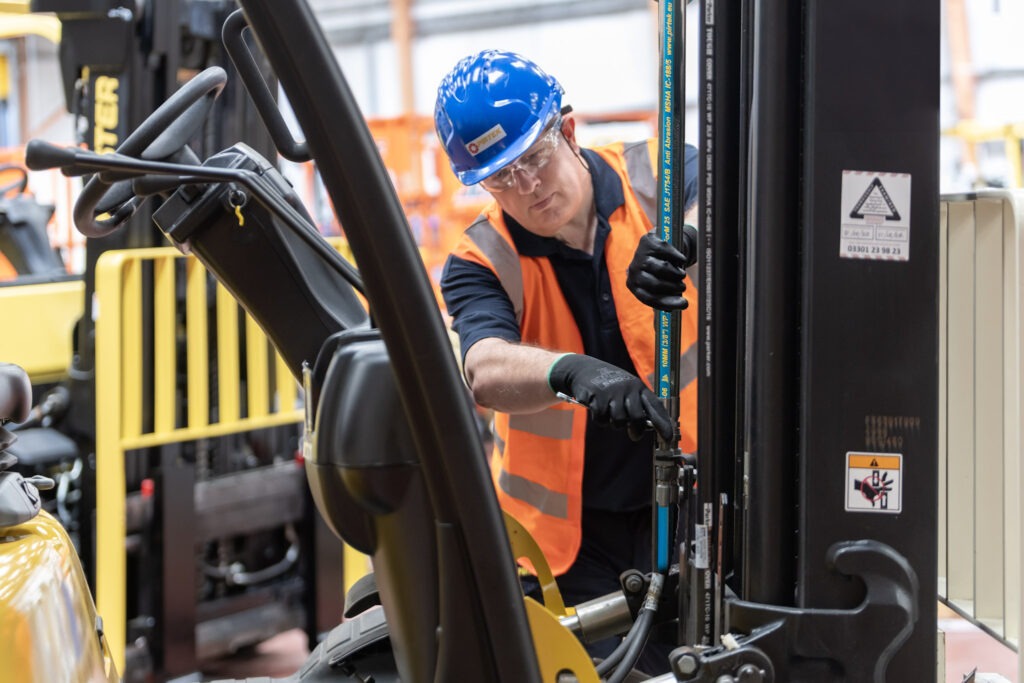
Conclusion: Protect System Performance with Routine Hydraulic Maintenance
Hydraulic systems are critical to smooth, efficient operations across many industries. A well-structured maintenance checklist ensures they remain reliable, safe, and cost-effective in the long term. Implementing consistent weekly, monthly, and seasonal checks prevents small issues from becoming major breakdowns and keeps teams ahead of compliance and safety concerns.
For trusted expertise in fluid systems, explore available hydraulic maintenance services and tools.
FAQs
How often should a hydraulic system be serviced?
Weekly inspections and monthly performance checks are ideal for high-use systems. Seasonal reviews are recommended to adjust for climate shifts.
What’s included in a hydraulic hose inspection checklist?
Visual wear checks, fitting tightness, leak detection, and fluid level reviews are all key components of a thorough inspection.
Can fluid condition really impact hydraulic performance?
Yes. Contaminated or aged fluid reduces lubrication, creates heat, and accelerates wear. Regular testing and replacement are essential.
Is maintenance different for hydraulic clutch systems?
Yes. Clutch systems often require more precise pressure settings and faster response times. Maintenance should be adapted accordingly.
Why is documentation so important?
Accurate logs help identify trends, predict component wear, and support regulatory audits or warranty claims.








Select a country